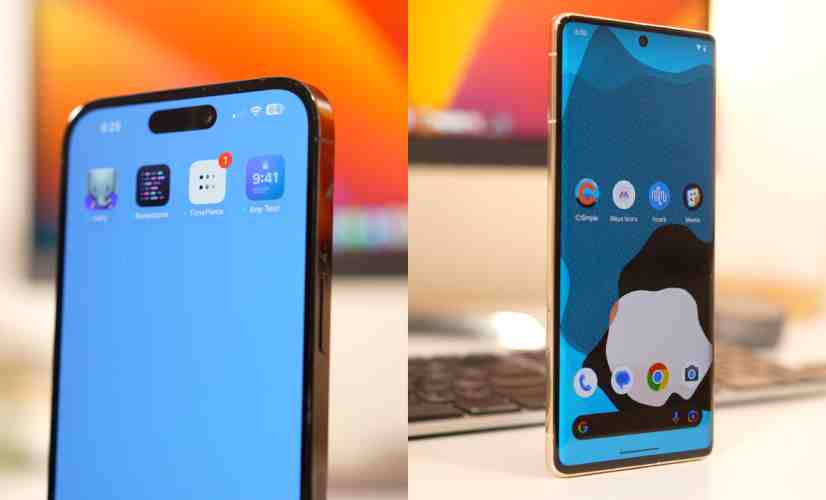
Android uptake is growing at a rapid pace and shows no signs of slowing down. High paid analyst predict Android phone sales will overtake iPhone by 2013, but I think it will happen sooner.
Looking at the latest Admob report for January, it looks like Android will soon overtake iPhone in smartphone traffic for the United States. In the latest monthly report Android now accounts for 39% of smartphone requests compared to 47% for iPhone OS.
I’ve been tracking the data for 13 months now and Android has increased every single time.
Some might call this a minor win, but I think it will be significant when Android passes up iPhone OS in Admob reports. Based on the current trend, this could happen as early as Q2 2010. For more on placing Admob metrics in context, see this blog post.
In the immediate future, it looks like the iPhone will remain an AT&T exclusive. At the same time, AT&T will be launching at least five Android phones which will further compete with the iPhone. When AT&T launches their first Android device, all four of the largest U.S. carriers will carry Android phones.
Other highlights from the latest Admob report include:
- Android and iPhone users download a similar number of apps every month and spend a similar amount of time using the apps. However, some differences between the platforms still exist. Only 21% of Android users purchase at least 1 paid app per month, compared to 24% of webOS users, 35% of iPod touch users and 50% of iPhone users.
- 73% of Android users are male, compared to 58% of webOS users, 57% of iPhone users and 54% iPod touch users. The iPhone, iPod touch and webOS have similar gender distributions, with just over half of the users on all devices being male.
- 91% of iPhone users and 88% of iPod touch users would recommend their device, compared to 84% of Android users and 69% of webOS users.
- The average age of an Android device user (35) is similar to an iPhone user (37) and that of a webOS device user (36). The average age of an iPod touch user is 23. iPhone, Android and webOS users are fairly evenly split across age groups.