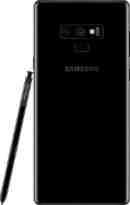
This week has seen two interesting stories about Android and trademarks: Google being denied it’s trademark application on the name Nexus One, and Samsung trademarking the term Android, in reference to hardware, and only in South Korea.
Google Can’t Trademark “Nexus One” Name
First up: the Nexus One. In the immortal words of Douglas Adams, don’t panic. Google has been denied its application to trademark the term Nexus One by the United States Patent and Trademark Office, but what does this mean for Google? Well, MobileCrunch speculates that Google will probably pay what is essentially a settlement and make a deal with Integra Communications, current holder of the trademark on the term “Nexus,” a convergence of voice and data communications. MobileCrunch also points out that it is not the job of the USPTO to determine product or brand superiority, but merely to determine if a trademark application could be confused with an existing trademarked name.
True, it’s just speculation that Google and Integra will make a back-room deal or agree to be cozy neighbors, but odds are that something as small as a denied trademark application could keep Google from branding their flagship superphone as “Nexus One.”
Samsung Trademarks “Android” in Korea
Second, we have Samsung trademarking the term Android in Korea. According to Engadget, South Korea has two separate trademark systems—one for software and another for hardware. Thus Samsung has been able to cut off access to marketing Android-based phones in Korea by their operating system name. Imagine going to your favorite T-Mobile or Sprint store and seeing the “HTC Hero” or “Motorola CLIQ XT” but no mention of Android, and probably no little Andy to greet you.
While we weren’t panicking about Google’s trademark problems, this issue merits a bit more of a response. True, it doesn’t affect most AAM readers, but then again companies like LG and Samsung have a strong presence in South Korea, so this may have an impact on their sales and marketing within their proverbial back yards.
It goes further than that, too. This could be viewed as proof that the United States patent and trademark system isn’t the only struggling with trademarks and patents granted for nebulous and non-specific terms and products. The precedent set here, and in several recent patent cases in the U.S., is that if you can put up a brick wall around your products and services, you won’t have to deal with competition.